
How SMEs in Singapore Benefit from End-to-End Logistics Solutions
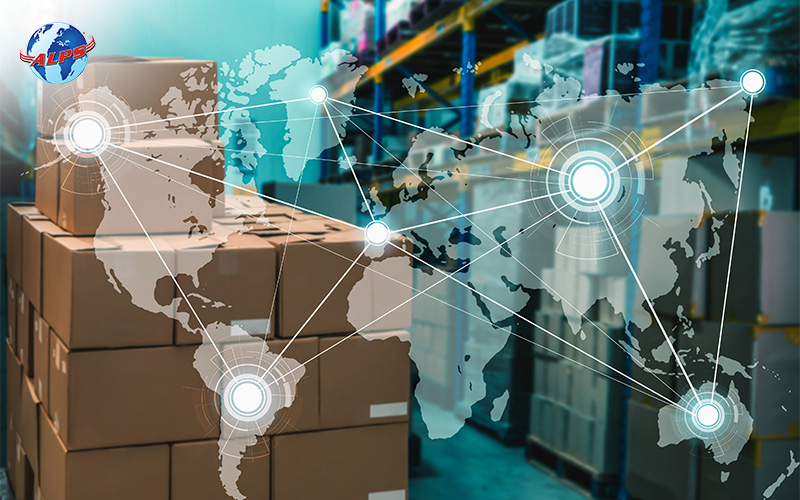
Key Takeaways End-to-end logistics streamlines operations by offering a single point of contact from pickup to delivery. SMEs enjoy cost savings through bundled services like freight forwarding, warehousing, and customs clearance. Scalable and compliant logistics solutions help SMEs grow and expand into international markets with confidence. In today’s competitive market, small and medium enterprises (SMEs) […]
Shipping Live Animals by Air: Regulations and Considerations

Key Takeaways IATA Compliance is Essential – Following IATA’s Live Animals Regulations ensures safe, humane, and legally compliant air transport for all animal types. Proper Documentation is Critical – Health certificates, permits, and CITES documents (if applicable) must be prepared for smooth air freight clearance in Singapore. Choose Experienced Partners – Work with certified airlines […]
What Port Congestion Means for Your Business (And How to Plan Around It)
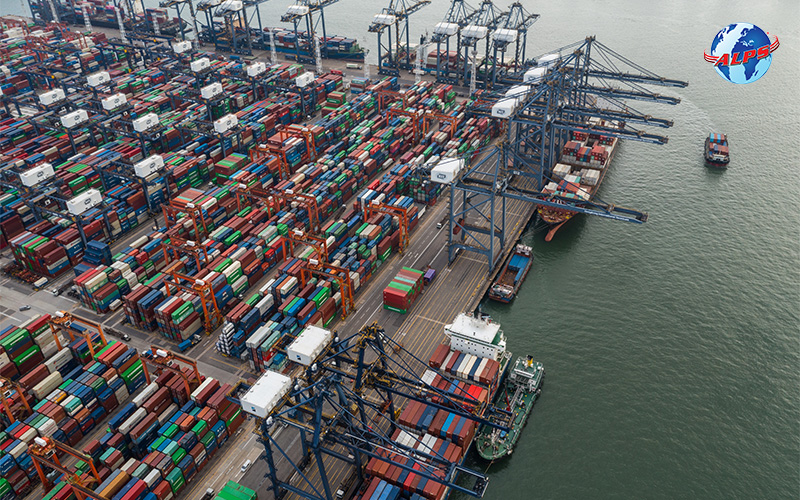
Key Takeaways Port congestion is caused by predictable factors like seasonal demand, labour shortages, and vessel bunching—understanding these helps with better planning. Delays lead to increased costs such as demurrage, detention, and lost customer trust, highlighting the need for buffer time and proactive logistics management. Flexible shipping strategies and expert freight forwarders are essential for […]
Scaling Up? Here’s How Your Shipping Strategy Needs to Change
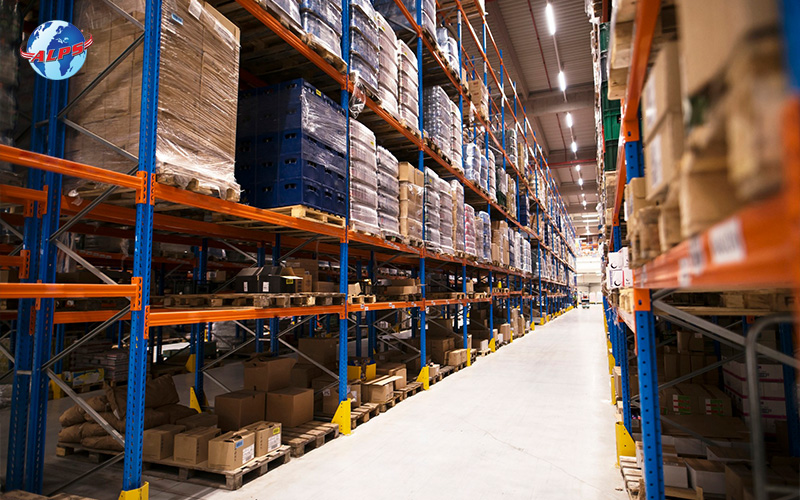
Freight services and logistics have always been the backbone of global trade, and in a logistics hub like Singapore, efficiency is non-negotiable. As customer expectations for speed, transparency, and accuracy continue to grow, the industry is undergoing a profound shift. This transformation is driven by one key force: technological advancement.
LCL vs FCL: How to Determine Which Is Best for Your Supply Chain
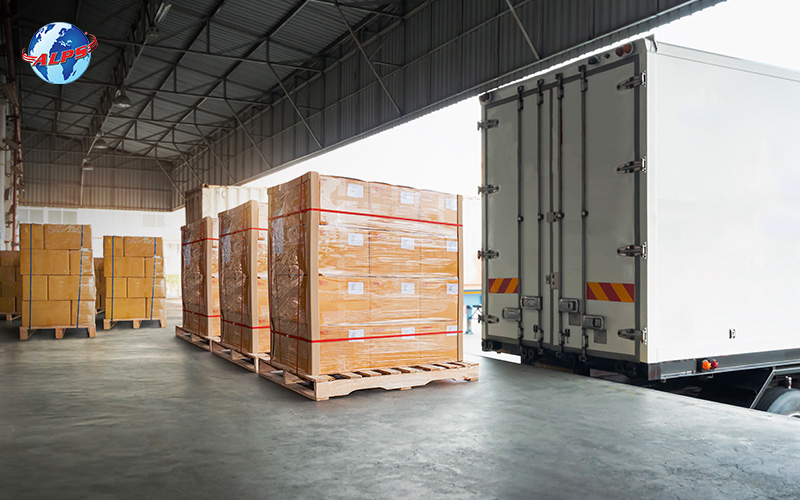
Freight services and logistics have always been the backbone of global trade, and in a logistics hub like Singapore, efficiency is non-negotiable. As customer expectations for speed, transparency, and accuracy continue to grow, the industry is undergoing a profound shift. This transformation is driven by one key force: technological advancement.
How Technology is Transforming Freight Services: Automation and Real-Time Tracking
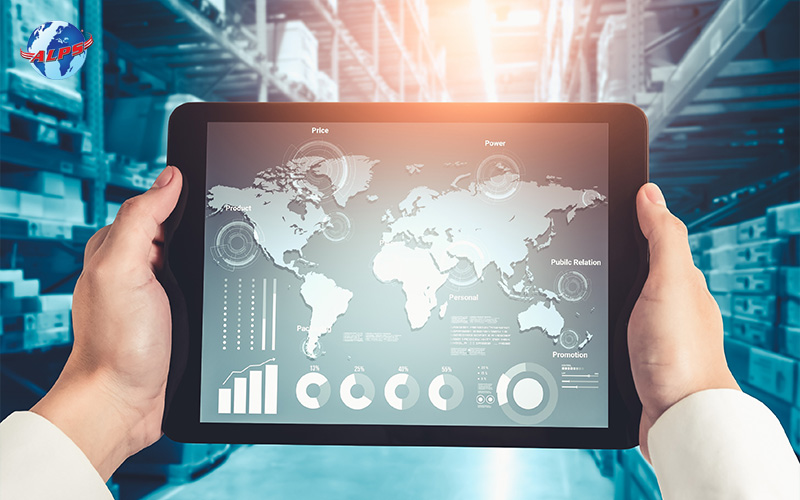
Freight services and logistics have always been the backbone of global trade, and in a logistics hub like Singapore, efficiency is non-negotiable. As customer expectations for speed, transparency, and accuracy continue to grow, the industry is undergoing a profound shift. This transformation is driven by one key force: technological advancement.
The Role of Automation Solutions in Modern Freight and Logistics Operations

The freight and logistics sector is no stranger to complexity. In Singapore and across the globe, logistics operators face mounting challenges—rising fuel costs, tight delivery schedules, workforce shortages, and growing customer expectations for real-time tracking and faster fulfilment. Add to that the ongoing need for compliance, supply chain visibility, and minimising operational downtime, and it’s clear the traditional way of doing things is no longer sustainable. This is where automation solutions come into play.
Freight Services for High-Value Goods: Ensuring Security and Insurance Coverage

Transporting a high-value good requires far more than standard freight handling. Whether it’s fine art, luxury watches, electronics, or sensitive medical equipment, the risks associated with shipping such items are significantly higher. To ensure optimal protection, businesses must work with logistics providers that offer specialised packaging, robust in-transit security, and the right insurance coverage.
How E-Commerce Giants Are Changing the Air Freight Industry
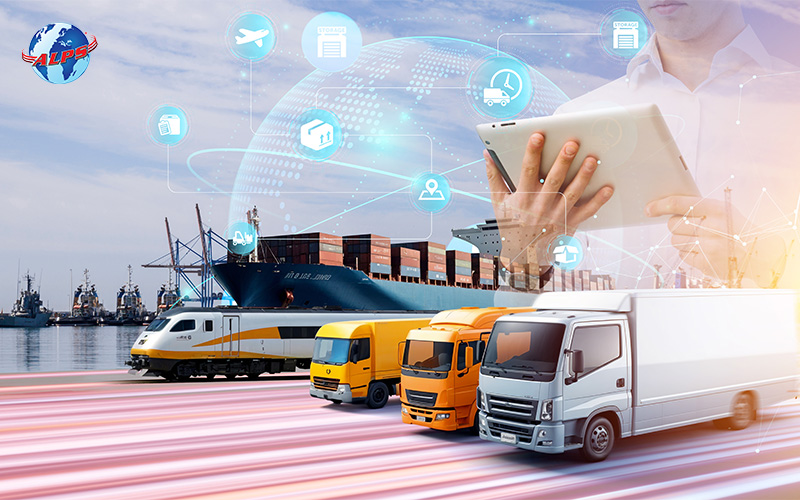
Key Takeaways Increased Air Freight Demand: E-commerce giants are fuelling higher cargo volumes by prioritising speed and efficiency in cross-border and last-mile delivery. Shift to In-House Logistics: Companies like Amazon and Alibaba are building dedicated air cargo fleets to reduce reliance on third-party carriers and optimise control. Technology-Driven Efficiency: Innovations like AI, drones, and real-time […]
Certificates of Origin

WHAT IS AN ORDINARY CERTIFICATE OF ORIGIN? A Certificate of Origin (CO) helps to attest the origin of goods. There are two types of COs, namely ordinary COs and preferential COs. An ordinary CO, also known as a non-preferential CO, is a trade document that helps to identify the origin of the good. WHAT IS […]