In the world of international trade and logistics, the smooth movement of goods across borders is crucial.
When it comes to customs clearance, a key player that facilitates this process is the freight forwarder. Acting as an intermediary between exporters, importers, and various government agencies, they play a vital role in ensuring the efficient and compliant movement of goods.
This article will delve into the responsibilities of a freight forwarder in customs clearance, with a particular focus on the involvement of a container trucking company.
A freight forwarder is a logistics specialist who coordinates the transportation and shipment of goods on behalf of their clients. One of the primary responsibilities of this logistics provider in customs clearance is to navigate the complex customs procedures and regulations of different countries. This involves preparing and submitting the necessary documentation, such as commercial invoices, packing lists, and shipping manifests, to the customs authorities.
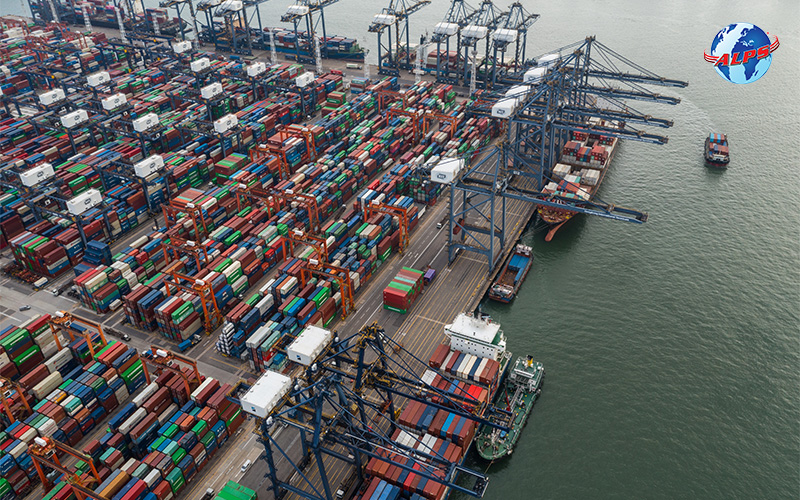
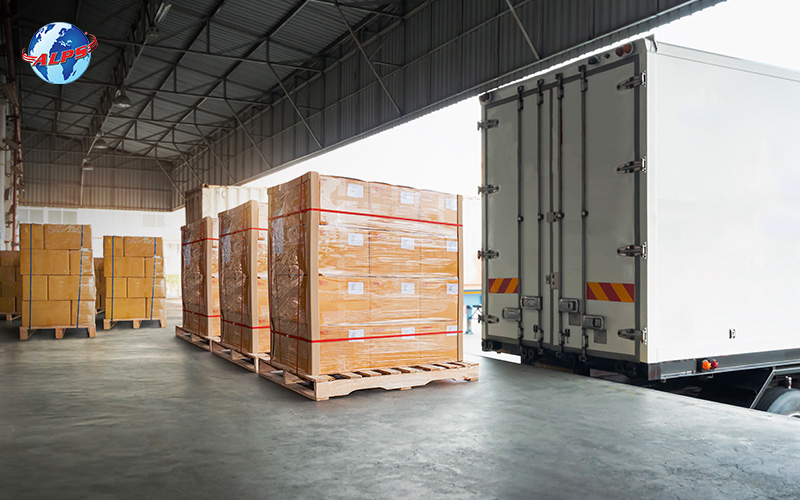
When it comes to containerized shipments, the involvement of a container trucking company becomes crucial. This type of company specializes in the transportation of shipping containers from ports or warehouses to various destinations. In the context of customs clearance, the trucking company works closely with the shipping agent to ensure the smooth movement of containers through the customs process.
Once the goods arrive at the port of entry, the freight forwarder, in collaboration with a container transport provider, arranges for the transportation of the containers to a designated customs examination site.
This site could be a customs warehouse or a specific area within the port where the containers are inspected by customs officials. The trucking company plays a pivotal role in this stage by providing the necessary equipment and expertise to transport the containers safely and efficiently.
During the customs examination, the freight forwarder and trucking partner cooperate to ensure compliance with customs regulations. This includes assisting customs officials with the physical inspection of the containers, providing access to relevant documents, and addressing any queries or concerns raised by the customs authorities.
The trucking provider’s knowledge of container handling and their understanding of customs procedures are instrumental in facilitating this process.
In addition to the customs examination, the cargo coordinator, along with the haulier, helps facilitate other customs-related activities. This includes the payment of customs duties and taxes on behalf of their clients, the coordination of customs bonds or guarantees, and the completion of any required customs declarations.
The container transport provider also assists in the movement of containers to an approved customs-bonded facility, where goods can be stored temporarily under customs supervision if necessary.
Furthermore, the freight forwarder collaborates with their trucking partner to ensure the timely delivery of cleared containers to their final destination. This involves coordinating the transportation logistics, arranging for the appropriate modes of transport (such as trucking or rail), and managing any necessary documentation for onward transportation.
The transport operator, with its expertise in container transportation, plays a vital role in ensuring the efficient movement of containers from the port to warehouses or distribution centers.
Throughout the entire customs clearance process, effective communication and coordination between the logistics provider and the transport operator are crucial.
They work in tandem to address any challenges or delays that may arise, ensuring that goods are cleared through customs and reach their intended recipients in a timely manner.
In conclusion, the role of a freight forwarder in customs clearance is multifaceted, and when it comes to containerized shipments, the involvement of a container trucking company becomes essential.
The forwarding agent, in collaboration with their trucking partner, navigates the complexities of customs procedures, coordinates transportation logistics, assists with customs examinations, and ensures compliance with customs regulations.
Their combined expertise and seamless coordination facilitate the smooth movement of goods across borders, ultimately benefiting exporters, importers, and the global trade network.